Northern Territories
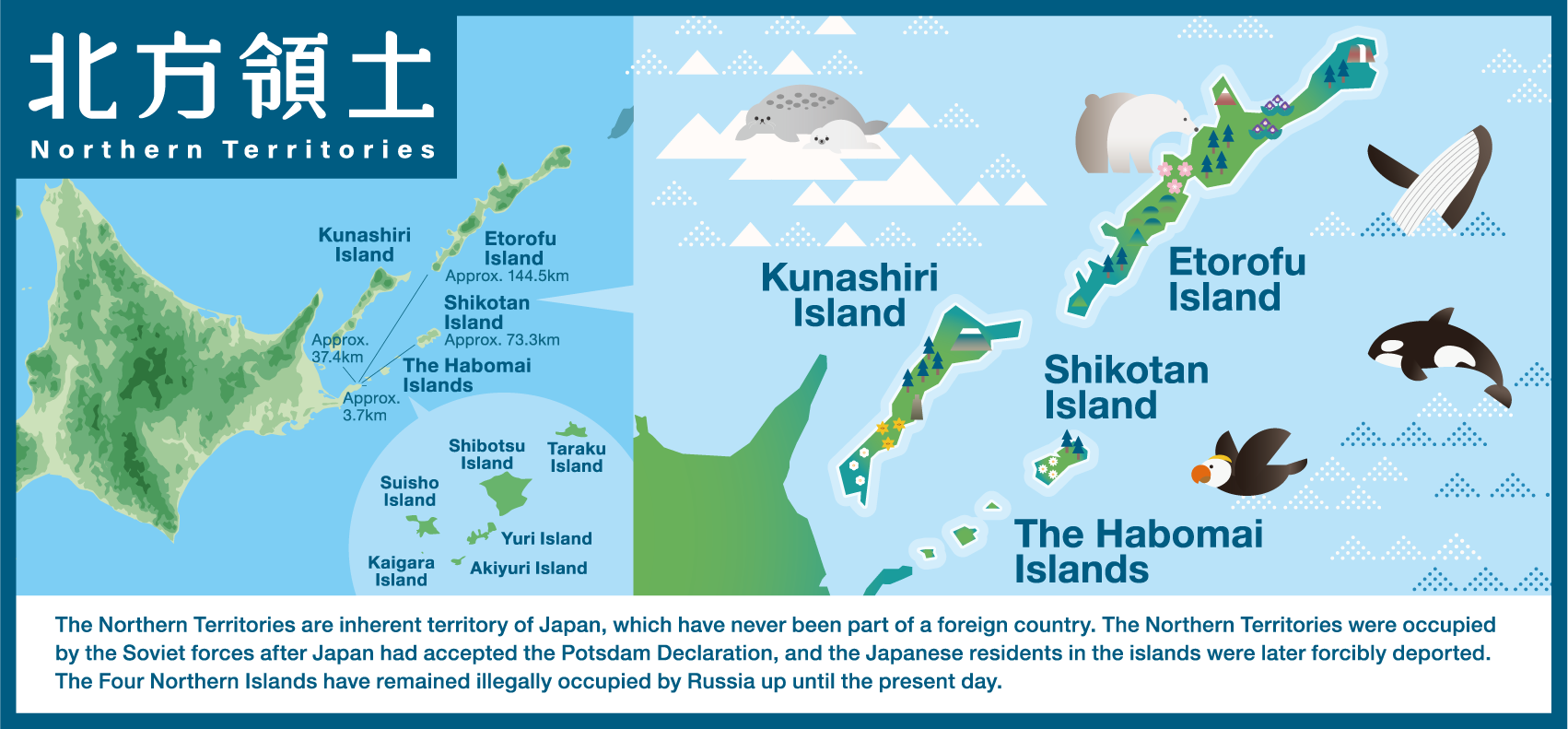
Using videos, panels, exhibits, etc., visitors can learn basic information on the geography, history, and current situation of the Northern Territories.
Videos
Basics
The Northern Territories
Since early 17th century, the Four Northern Islands have been Japanese territory at all times.
1855: Border based on the Treaty of Commerce, Navigation and Delimitation between Japan and Russia
The Matsumae Domain recognized the Four Northern Islands as part of its own fiefdom as early as the
beginning of the 17th century, and gradually established control over them.
In the late 18th century, the Edo Shogunate established direct control of the Four Northern islands
and promoted their development.
The Treaty of Commerce, Navigation and Delimitation between Japan and Russia confirmed the border
between the two countries as had been naturally formed between Etorofu Island and Uruppu Island.
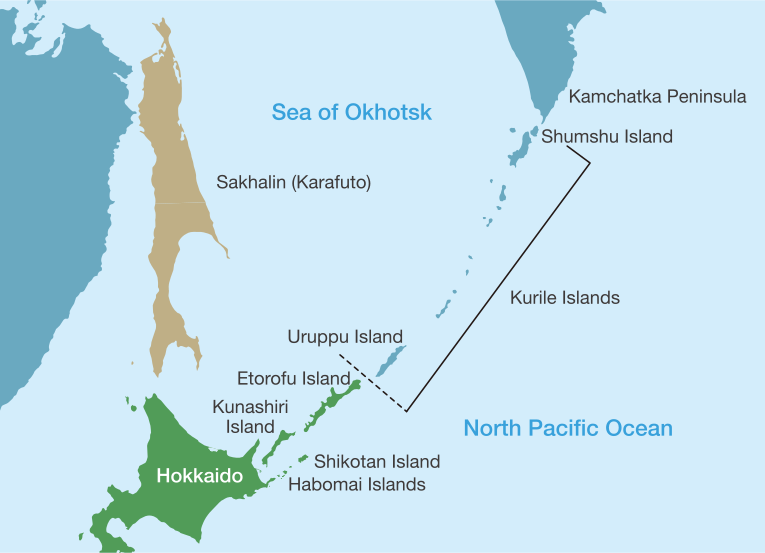
1875: Border based on the Treaty for the Exchange of Sakhalin for the Kurile Islands
In the Treaty for the Exchange of Sakhalin for the Kurile Islands in November 1875, the rights to the Kurile Islands were ceded from Russia to Japan, in exchange for the cession of the rights to the island of Karafuto (Sakhalin). This treaty enumerated the Kurile Islands as the islands from Shumshu Island in the north to Uruppu Island in the south. This fact indicates that the Four Northern Islands have been clearly differentiated from the Kurile Islands.
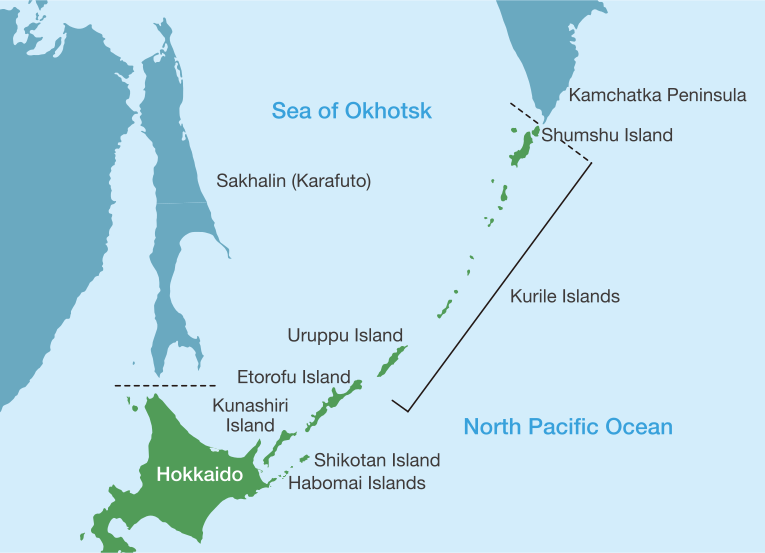
1905: Border based on the Portsmouth Peace Treaty
In the Portsmouth Peace Treaty, concluded after the end of the Russo-Japanese War, Russia ceded to Japan a part of Karafuto (Sakhalin) Island lying to the south of 50 degrees north latitude.
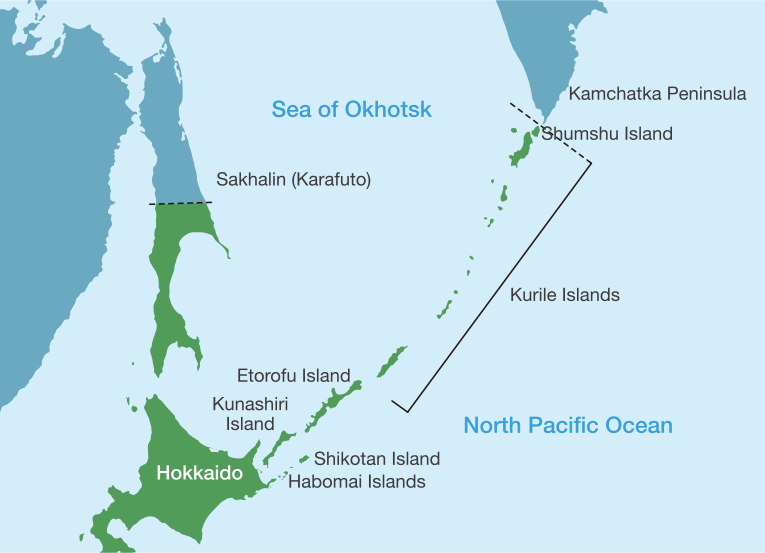
The Four Northern Islands have remained illegally occupied by Russia up until the present day.
August 1941 Atlantic Charter
In August 1941, the leaders of the US and the UK signed the Atlantic Charter to state the common principles of the Allies, among which was to seek no territorial aggrandizement. The Soviet Union also joined the Atlantic Charter in September of the same year.
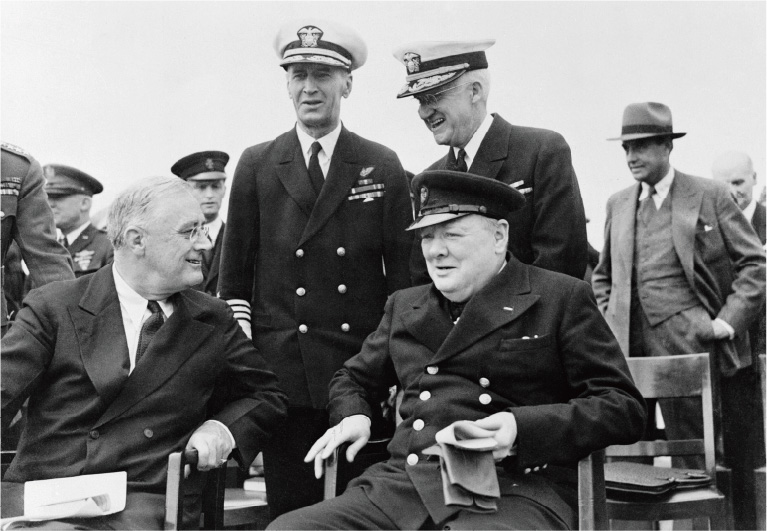
Imperial War Museum
November 1943 Cairo Declaration
In the Cairo Declaration, the Allies confirmed the principles to seek no territorial aggrandizement and stated, “Japan will also be expelled from all other territories which she has taken by violence and greed.” This is not the case with regard to the Four Northern Islands.
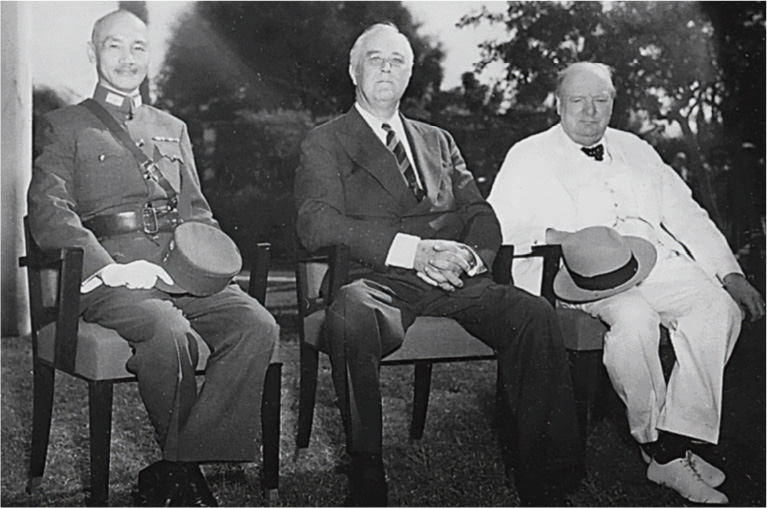
National Archives and Records Administration (NARA)
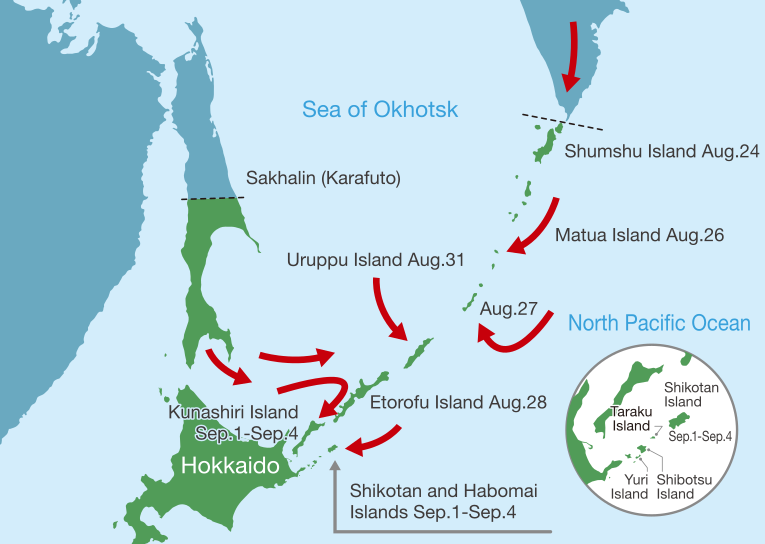
August-September 1945 Occupation of the Four Northern Islands by the Soviet Union
On August 9, 1945, the Soviet Union, in violation of the Neutrality Pact that was still in force between Japan and the Soviet Union, opened war against Japan. Even after Japan accepted the Potsdam Declaration on August 14 of the same year, making clear its intent to surrender, the Soviet Union continued its offensive against Japan and occupied the Four Northern Islands from August 28, 1945 to September 5, 1945. About half of the Japanese residents in the Four Northern Islands were forced to flee the islands and the rest were forcibly deported by 1948.
September 1951 Signing of the San Francisco Peace Treaty
The San Francisco Peace Treaty, signed in September 1951, legally defined the territory of Japan after WWII. Under the treaty, Japan renounced all right, title and claim to the Kurile Islands. However, as made clear in the treaties including the Treaty for the Exchange of Sakhalin for the Kurile Islands in 1875, “the Kurile Islands” is a term referring to Uruppu Island and other islands to the north, and does not include the Four Northern Islands. Nevertheless, the Four Northern Islands have remained illegally occupied by Russia up until the present day.
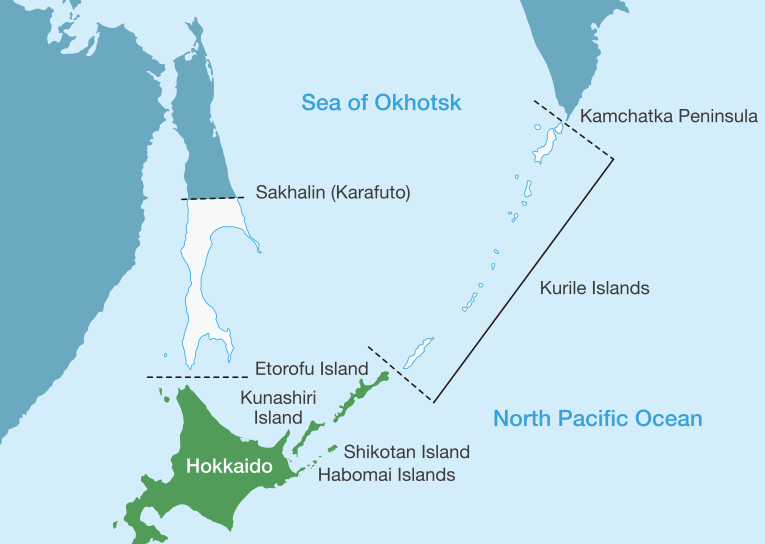
The Four Northern Islands have been Japanese territory since the Edo period! Although Japan's northern border has changed many times since the Meiji period, the Four Northern Islands have always been Japanese territory! The Four Northern Islands are not included in the “Kurile Islands” that Japan renounced in the San Francisco Peace Treaty!

For those who want to know more
The Four Northern Islands in Prehistoric Period
The Four Northern Islands belong to the same cultural area as the main island of Hokkaido.
The human footprint in the Four Northern Islands dates back to the Old Stone Age culture of 15,000 years ago. The Jomon culture, which used earthenware, the Epi-Jomon culture, which began using iron, the Okhotsk culture, the Satsumon culture and the Ainu culture have all passed through the Four Northern Islands, and so far, 132 sites have been discovered. These prehistoric cultures spread from the cultural sphere of each period on the main island of Hokkaido to the Four Northern Islands, with rich regional characteristics.
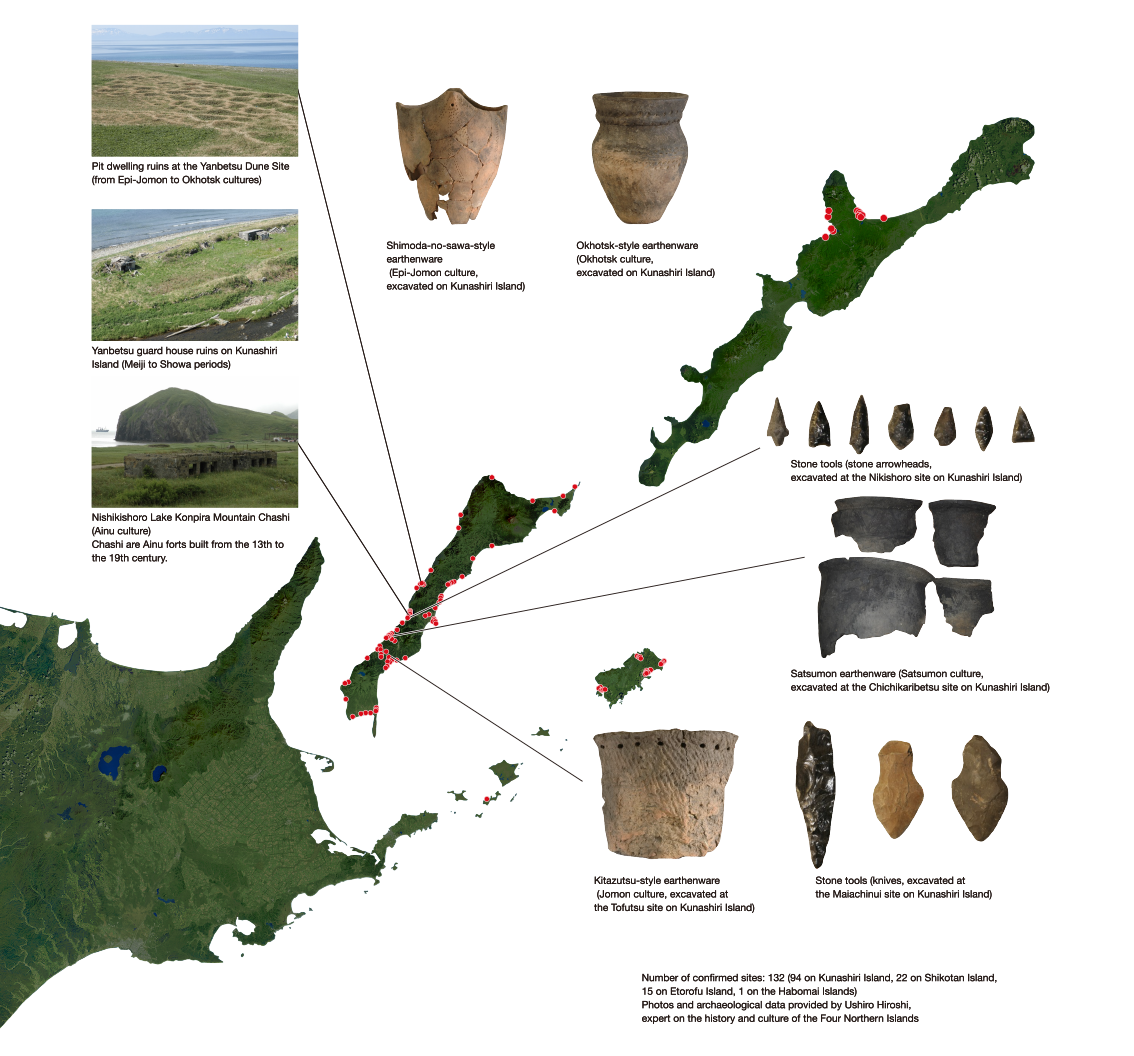
The same culture as that of Hokkaido main island has been spreading in the Four Northern Islands since ancient times!

The Four Northern Islands in the 18th and 19th centuries
18th-19th centuries: Encounters with Russians and the development of a shared perception of the border
In the Edo period, the Matsumae Domain recognized the Four Northern Islands as part of its own
fiefdom as early as the beginning of the 17th century, and gradually established control over them. As
Russia advanced southward at the end of the 18th century, the Edo Shogunate became increasingly
concerned. From the end of the 18th century to the beginning of the 19th century, the Edo Shogunate
decided to directly govern Ezo (Hokkaido) and also developed the Four Northern Islands by building
guard posts, fishing grounds, shipping lanes, and roads.
Russia requested trade with Japan, but the Edo Shogunate refused. A Russian warship, angered by the
Shogunate's response, attacked Japanese outposts on Etorofu Island and Sakhalin Island in
1806-1807.
In response, the Japanese captured a Russian military officer named Golovnin in 1811. Tensions rose,
but in 1813, a Russian governor submitted a letter stating that the attacks were the personal actions
of the attackers, Golovnin was released, and the crisis passed. After Golovnin returned to Russia,
reports from him and others led the Japanese and Russian sides each coming to the common understanding
that the islands to the north, up to Etorofu Island, belonged to Japan.
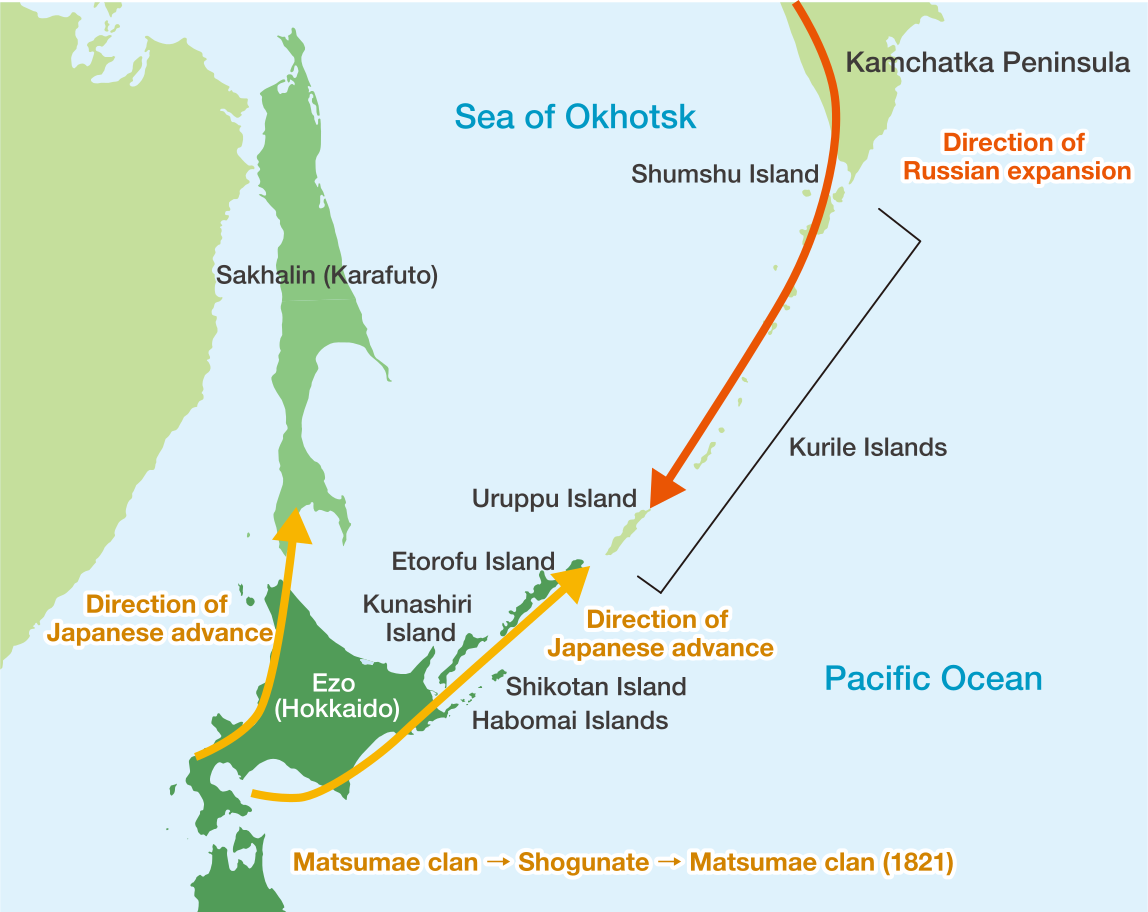
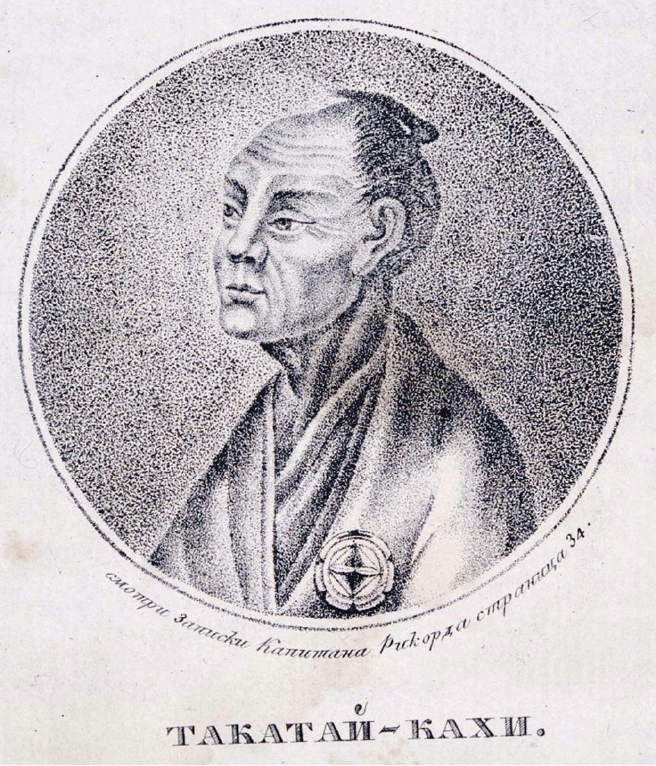
Image of Takadaya Kahei (from Ricord's “An Account of Negotiations with Japan”)
Takadaya Kahei played a major role in the development of the Four Northern Islands at the end of the 18th century and the beginning of the 19th century. Takadaya Kahei was captured by the Russians in 1812, but he played a major role in mediating between Japan and Russia, such as advising the Russians on the conditions for the release of Golovnin, who was being held by the Japanese at the time.
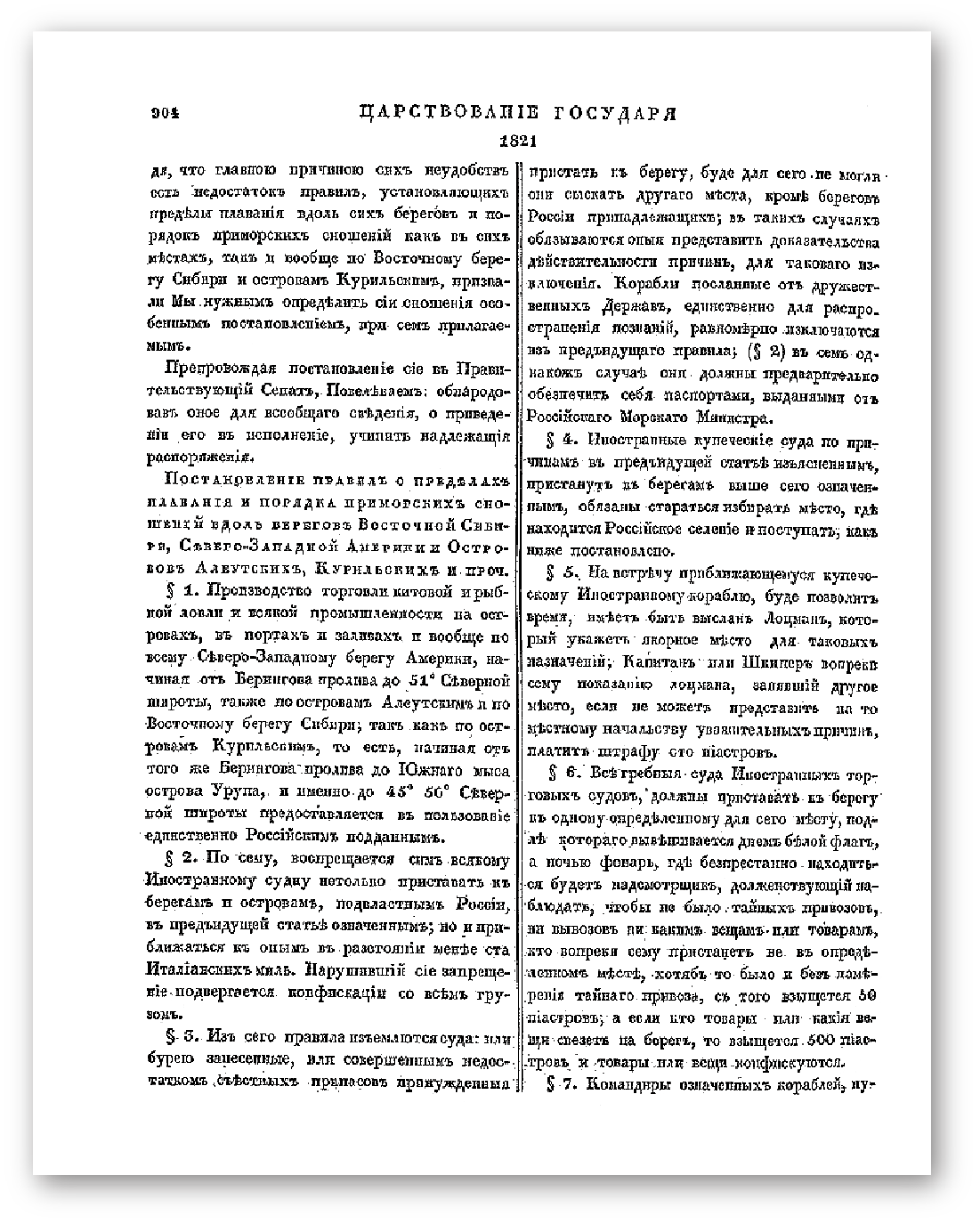
Decree by Emperor Alexander I (1821)
In 1821, the Russian Emperor, Alexander I, banned industrial activities by foreigners in the Kurile Islands, which are the islands to the south up to Uruppu Island.
Hokui Den (Account of the Northern Barbarians), Vol. 5,
depicts the arrival of the Russian ship when Golovnin
was released.

Repository: National Archives of Japan
In the early 19th century, Japan and Russia overcame their differences peacefully and were able to share a common view on the border!
The Four Northern Islands before WWII
Before WWII: The rich fishing resources that drove the development of the Four Northern Islands
The waters around the Four Northern Islands are the southern limit of drift ice in the Sea of Okhotsk,
and the various warm and cold currents that flow through them have helped to maintain a highly developed
ecosystem of marine life, making the area extremely productive in terms of marine resources.
For this reason, fishing has supported the development of the Four Northern Islands since the Edo period.
From the end of the 18th century to the beginning of the Meiji period, certain contractors monopolized
fishing grounds there, but in 1876, other entities were allowed to access the fishing grounds. The former
contractors continued to play a major role in the fishing industry of the Four Northern Islands, but
gradually new entities began to enter the market.
In addition, from the Meiji period onwards, canneries for salmon, trout, crab, shrimp, surf clam and
scallop were established one after another, contributing to the development of the fishing industry.
Furthermore, hatcheries for salmon and trout were also set up.
In the Habomai Islands, there was a large catch of kelp, and in the Shikotan Islands, whaling was popular
in addition to cod, seaweed, and crab.
Kunashiri Island was blessed with the largest variety of marine products of the four islands. Etorofu
Island was prosperous in fishing for salmon, trout, cod and other fish, as well as whaling, and the amount
of these catches was the largest of the four islands. The salmon, trout and whaling businesses on Etorofu
Island were managed by large-scale capital from Hakodate.
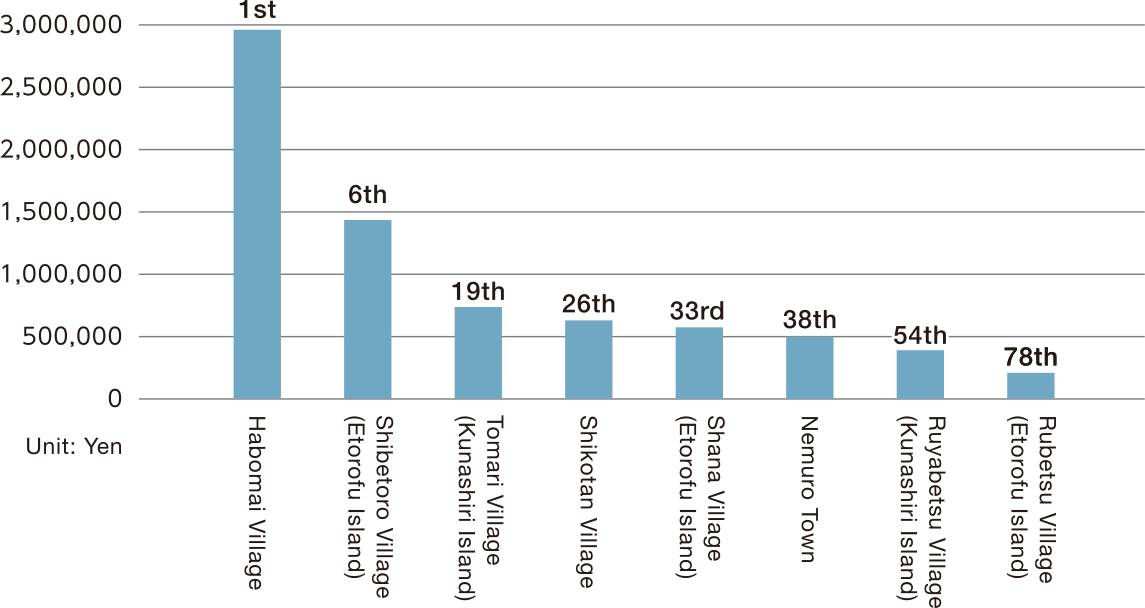
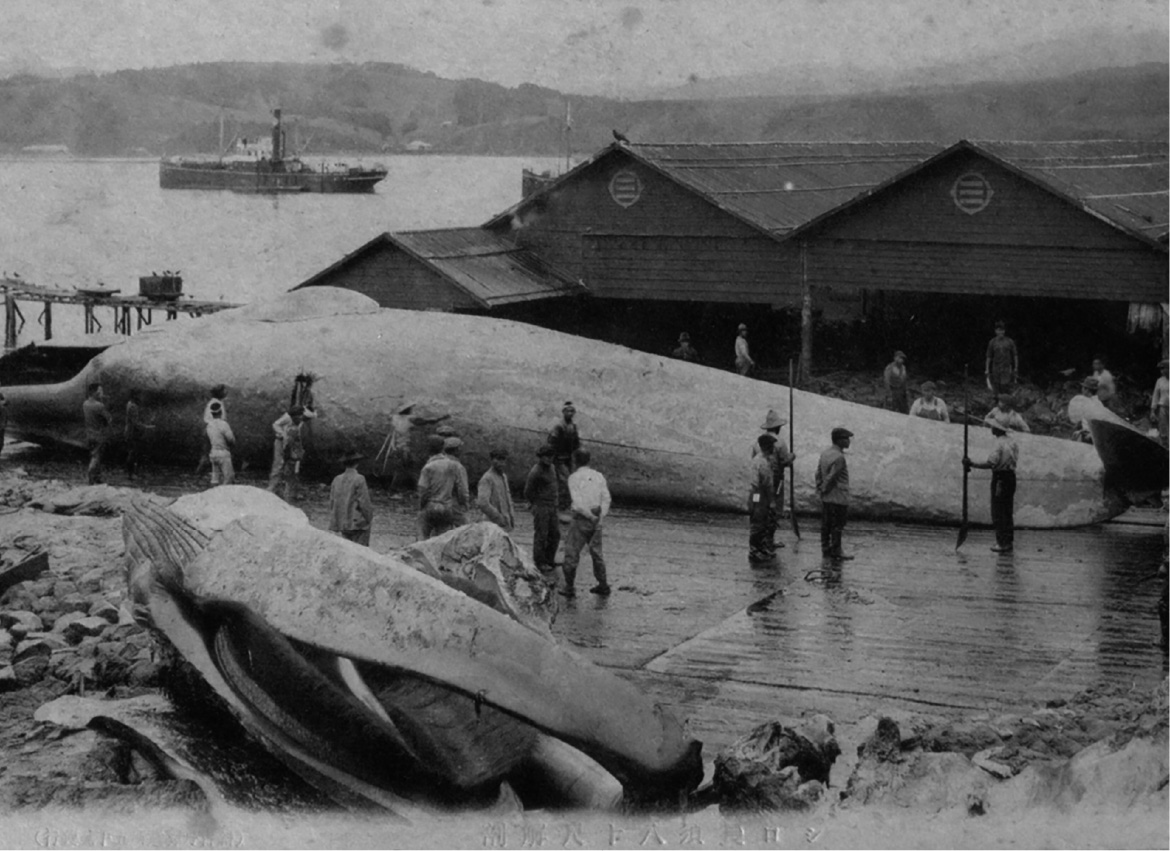
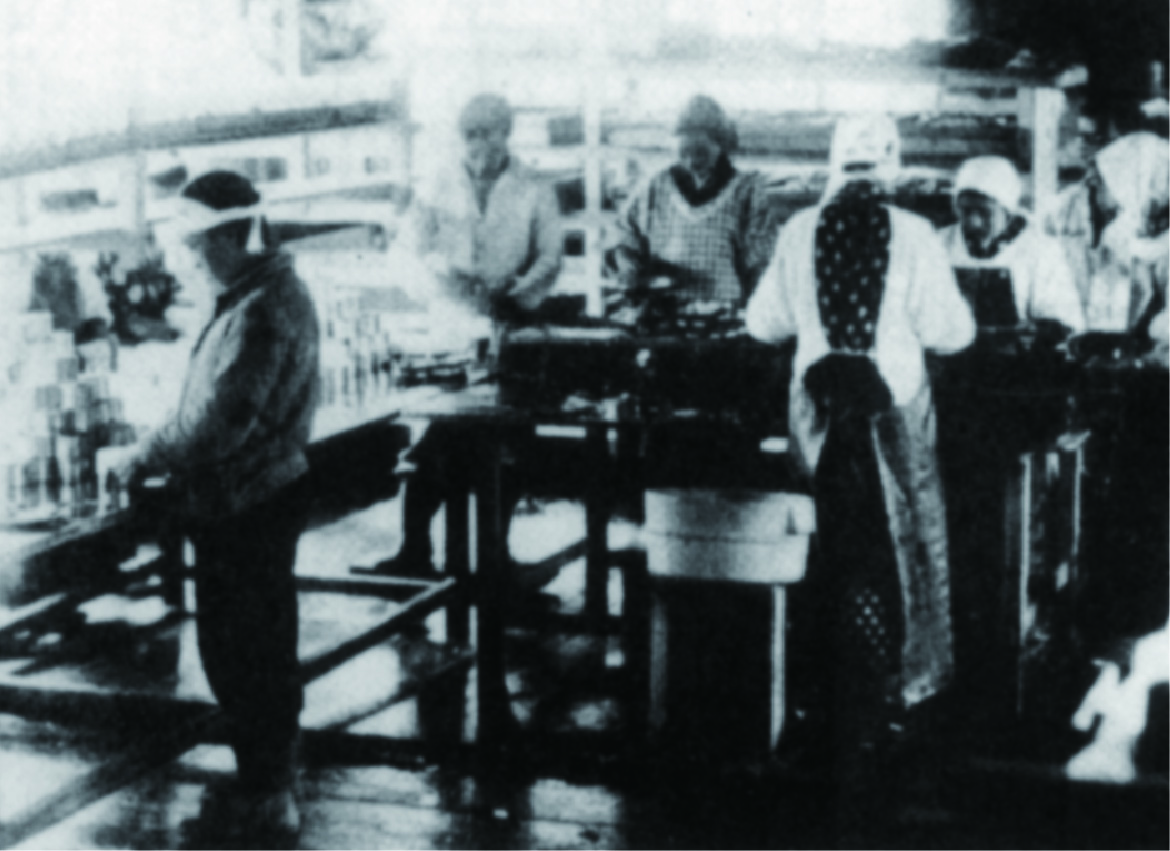
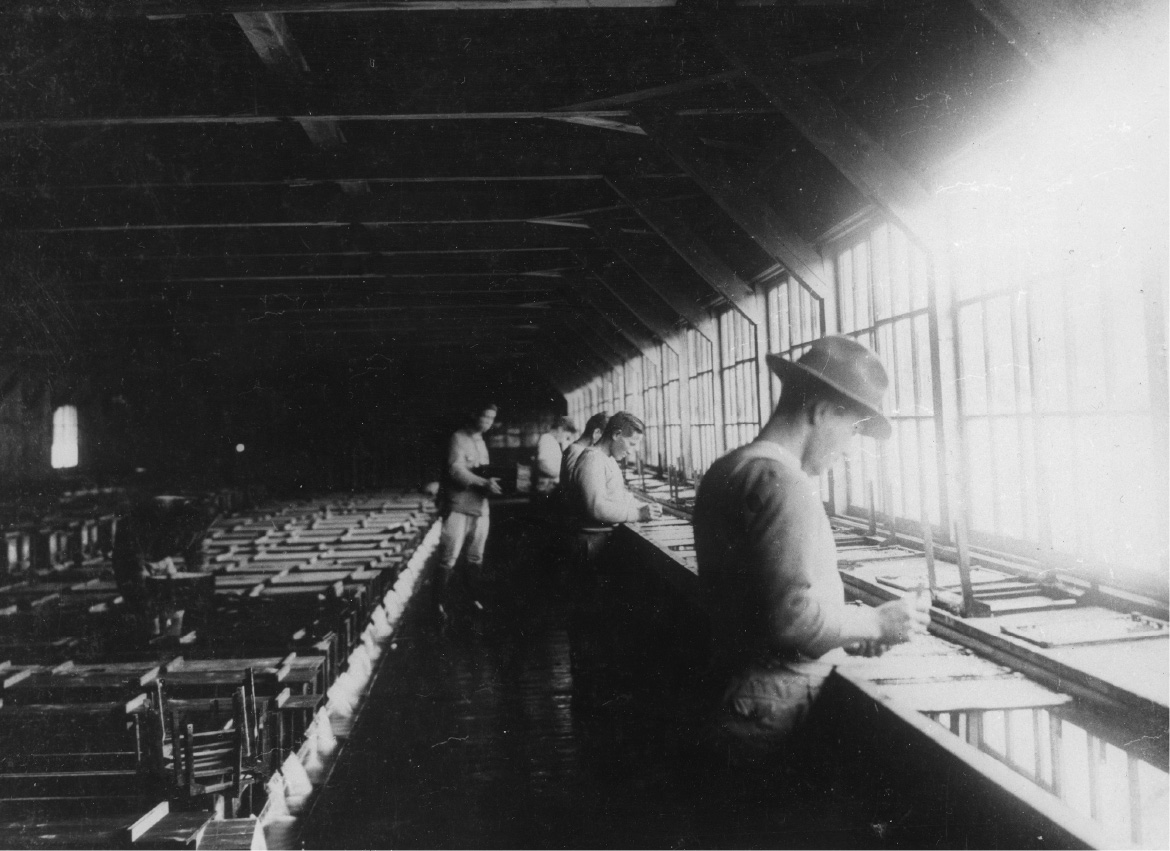
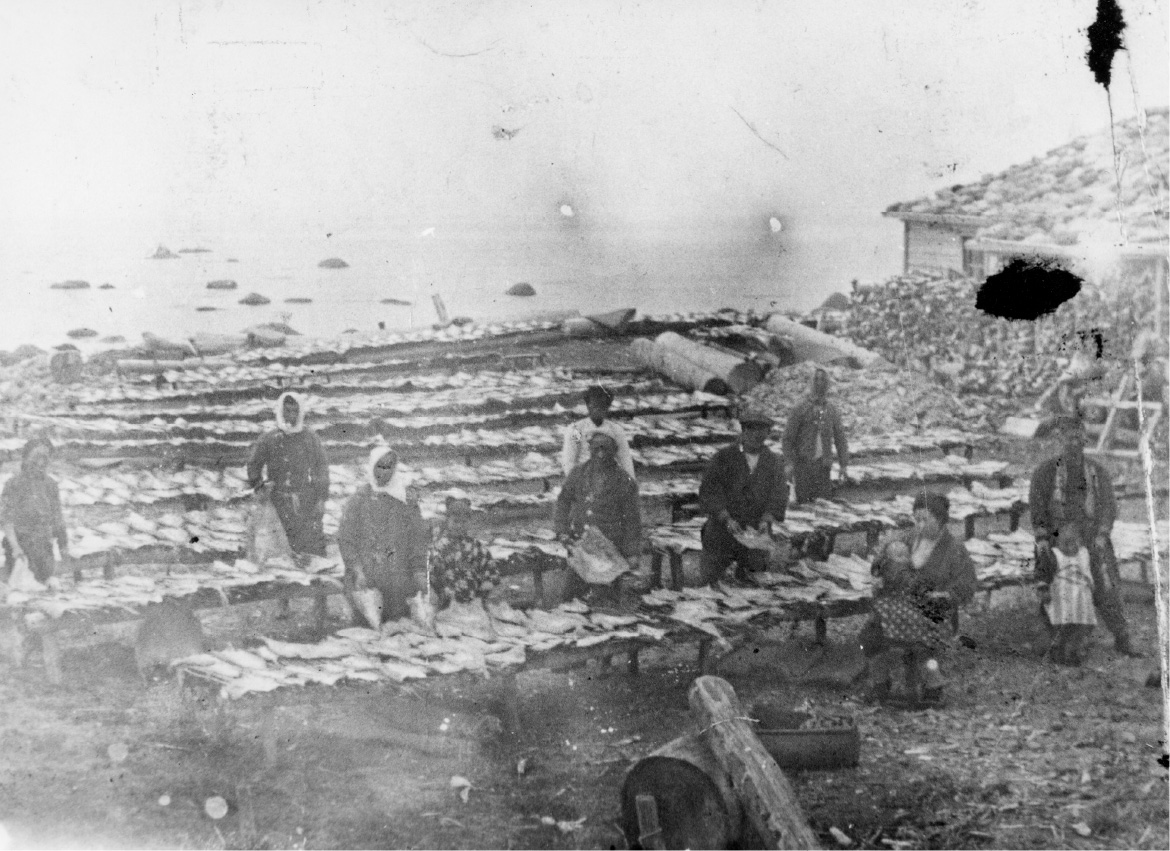
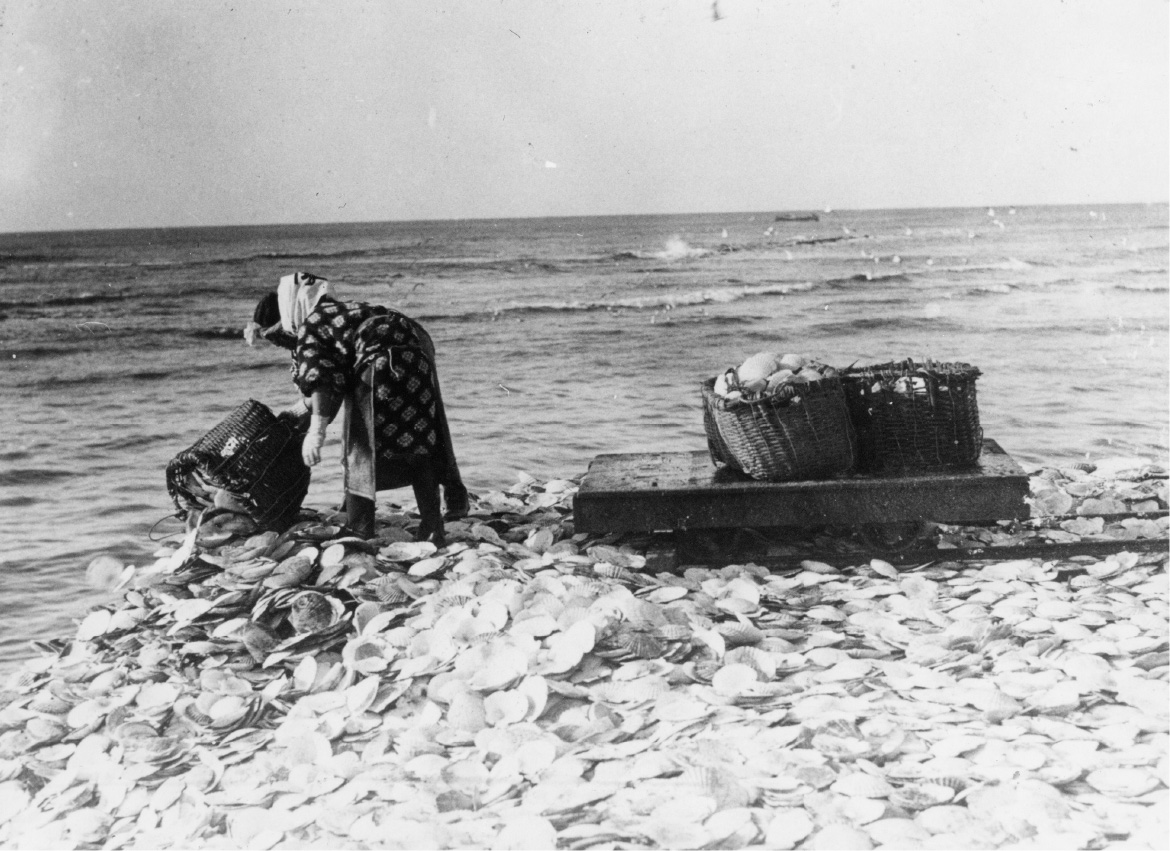
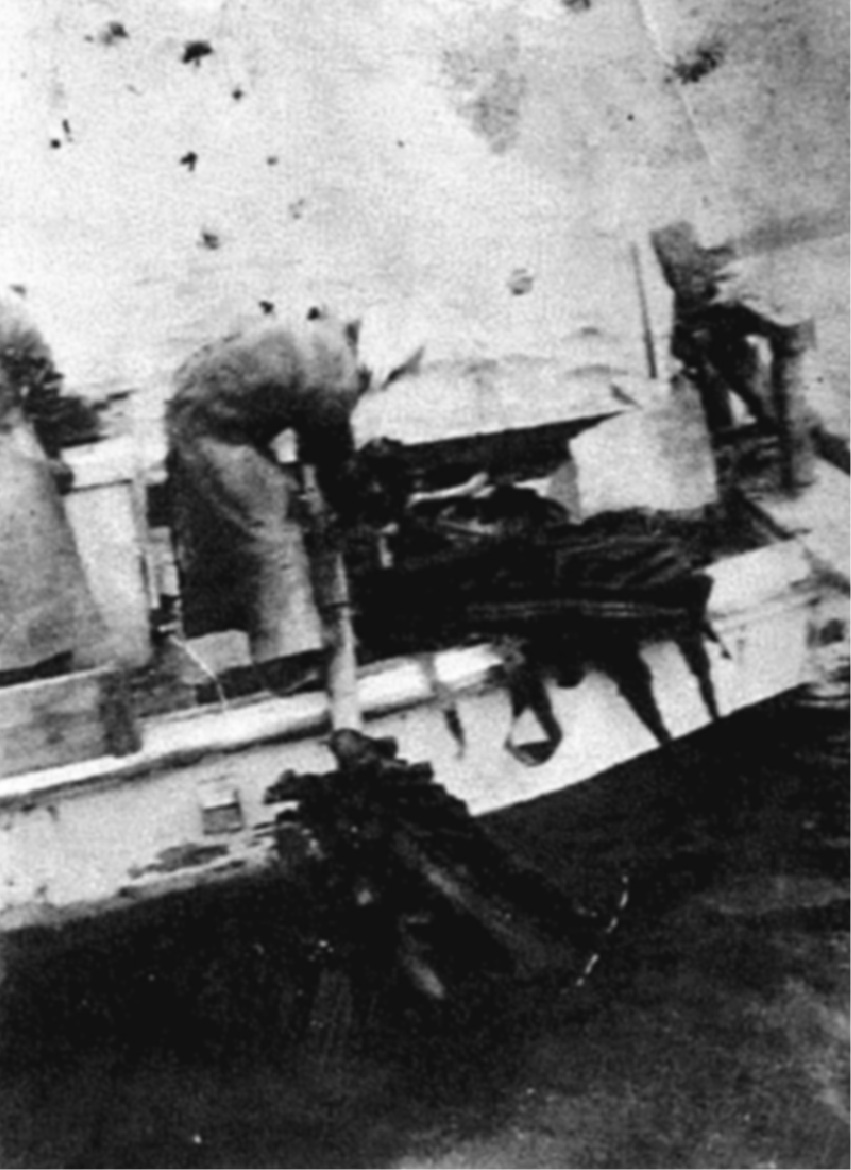

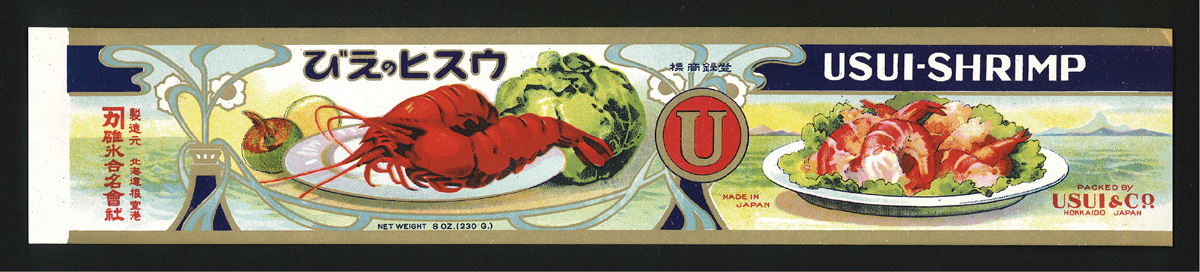
The rich oceans surrounding the Four Northern Islands sustained the people living there.

The Four Northern Islands after WWII
Post-WWII: Negotiations and cooperation over the Four Northern Islands
The Four Northern Territories issue is yet to be resolved even after about 80 years have passed since the
end of World War II, and the Government of Japan has engaged firmly in the negotiations under the policy
of concluding a peace treaty through the resolution of the territorial issue.
However, in March 2022, the Government of Russia, considering the measures taken by Japan in relation to
Russia's aggression against Ukraine, announced measures such as discontinuing negotiations on a peace
treaty, suspending free visits and the Four-Island exchange program, and withdrawing from the dialogue on
joint economic activities on the Four Northern Islands.
As the current situation is entirely the result of Russia's aggression against Ukraine, Russia's attempt
to shift responsibility to Japan is extremely unjust and absolutely unacceptable, and the Government of
Japan has lodged a strong protest against the Russian side.
Although Japan-Russia relations are in a difficult situation due to Russia's aggression against Ukraine,
the Government of Japan will firmly maintain its policy of concluding a peace treaty through the
resolution of the territorial issue.
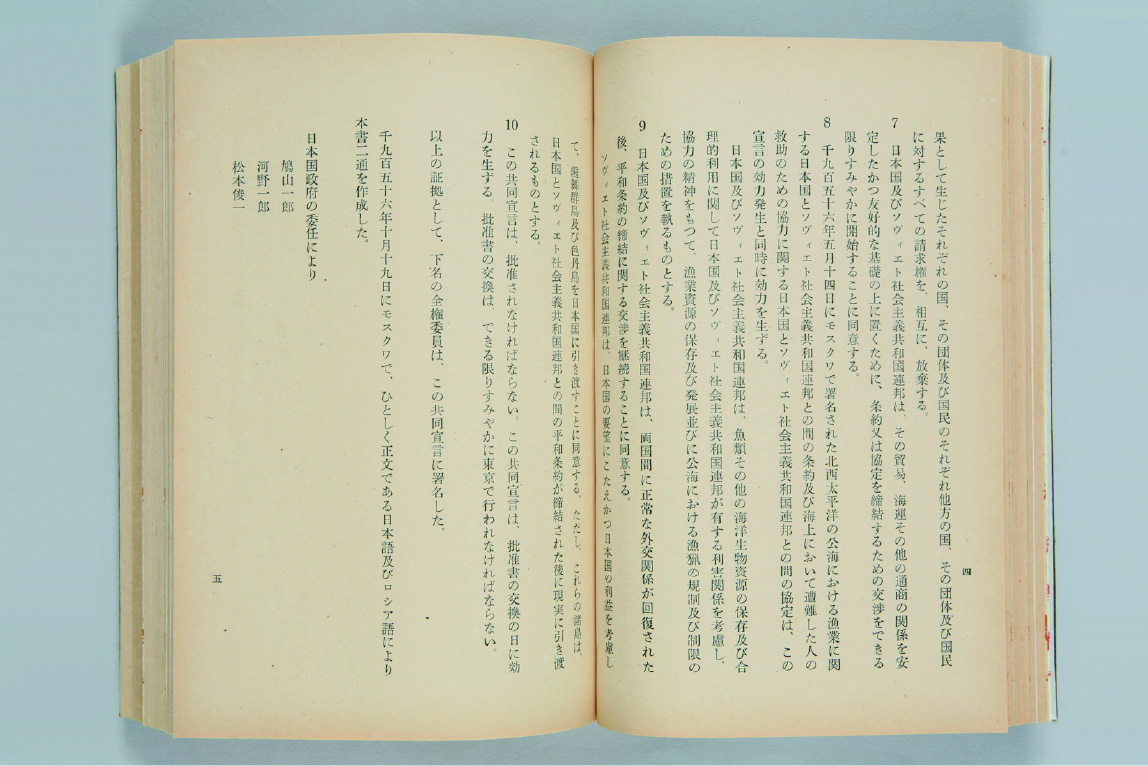
Negotiations for a peace treaty between Japan and the Soviet Union
In the Japan-Soviet Joint Declaration of October 1956, the two countries agreed to continue
negotiations on the conclusion of a peace treaty and that the Soviet Union would hand over the Habomai
and Shikotan Islands to Japan after the conclusion of a peace treaty. In the Japan-Soviet Joint
Declaration of April 1991, it was made clear for the first time in writing that the four islands of
Habomai, Shikotan, Kunashiri, and Etorofu were the subject of the territorial issue that should be
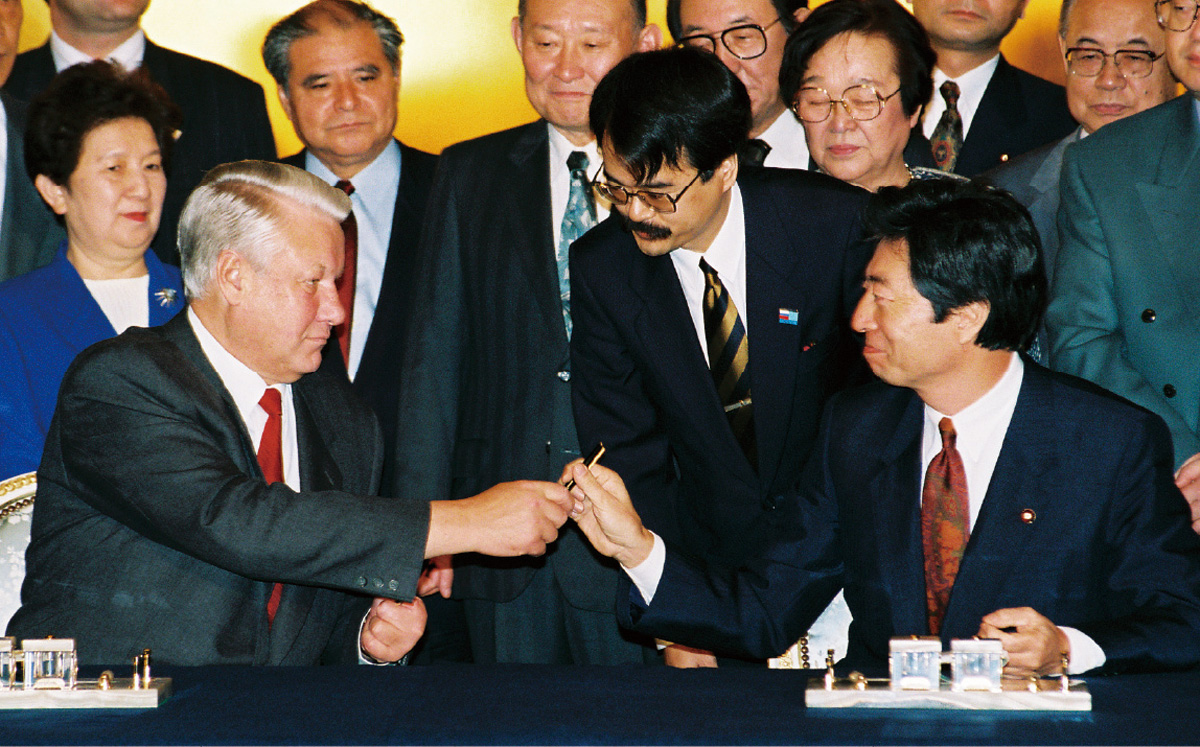
solved by a peace treaty. In addition, in the Tokyo Declaration of October 1993, the territorial issue
was defined as an issue of the attribution of the Four Northern Islands, with the names of the islands
listed, and it was agreed that the peace treaty would be concluded at an early date by resolving this
issue based on the historical and legal facts, the documents to which both parties had agreed, as well
as the principles of law and justice.
During Prime Minister Shinzo Abe’s visit to Russia in April 2013, he and Russian President Vladimir
Putin shared the recognition that the absence of a peace treaty between Japan and Russia 67 years
after the end of World War II is an unnatural state of affairs. Negotiations have continued since
then.
Development of Japan-Russia cooperation concerning the Four Northern Islands
The Government of Japan has implemented the following cooperation and exchange programs in the Four
Northern Islands to help create conditions for progress in the peace treaty negotiations, including
the resolution of the Northern Territories issue.
These programs have not been conducted recently due to the deterioration of Japan-Russia relations
following Russia's aggression against Ukraine. The resumption of exchange and other programs involving
the Four Northern Islands, including visits to the graves in the Four Northern Islands, is one of
Japan’s highest priorities in Japan-Russia relations.
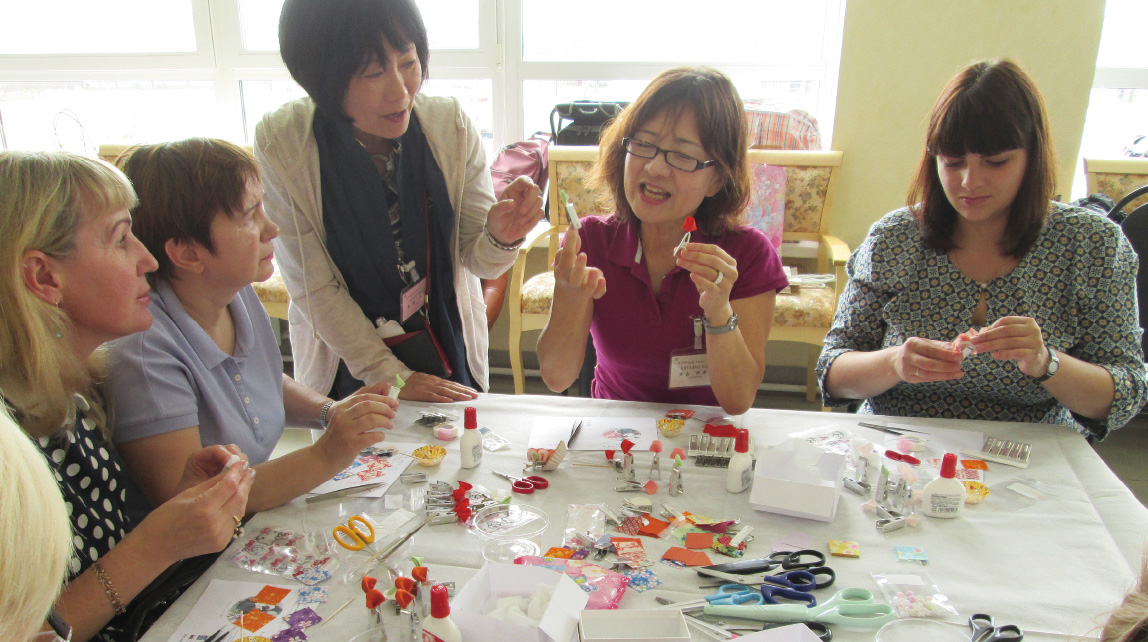
Four-Island Exchange Program, Free Visits and Visits to Graves
(1) Four-Island Exchange Program
Under this program, until the resolution of the Northern Territories issue, Japanese citizens and Russian residents in the Four Northern Islands are able to engage in mutual visits without passports or visas. The aim of this program is to promote mutual understanding between them and contribute to the settlement of the territorial issue.
(2) Free Visits
From a humanitarian perspective, arrangements for visits to the Northern Territories by Japanese citizens who are former residents of the Islands and their families are made as simple as possible.
(3) Visits to Gravesite
From a humanitarian perspective, Japanese citizens visit their family graves on the Islands only with an identification card.
Assistance for residents of the Four Northern Islands
(1) Accepting patients from the Four Northern Islands
(2) Training for doctors, nurses and others from the Four Northern Islands
Cooperation in the neighboring areas between Japan and Russia, including the Four Northern Islands
(1) Cooperation in disaster prevention
(2) Cooperation in ecosystem conservation
There have been negotiations and cooperation with the Soviet Union and then Russia over the Northern Territories since the end of WWII ! Although relations between Japan and Russia are currently in a difficult situation,the policy of concluding a peace treaty through the resolution of the territorial issue has not changed !